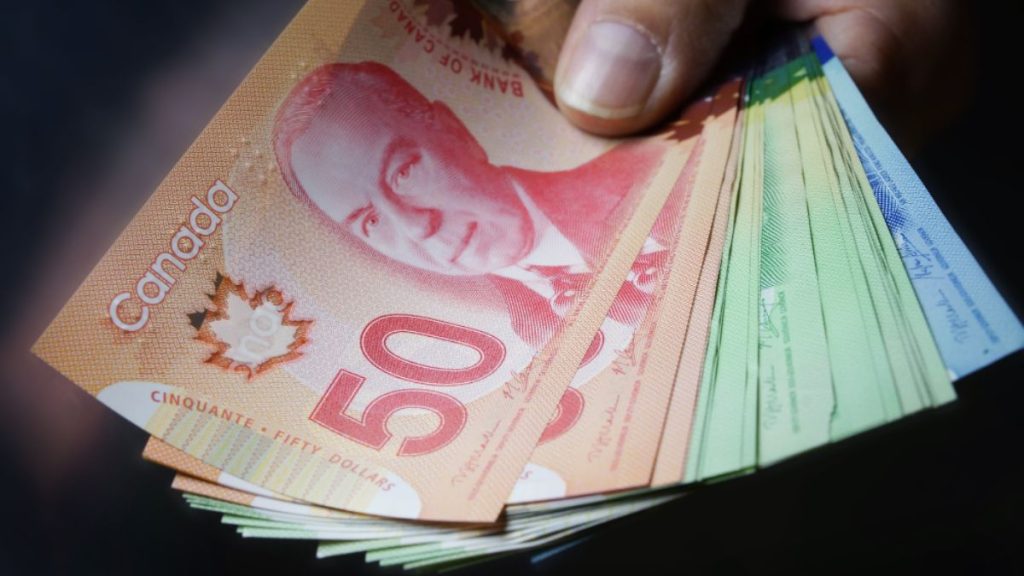
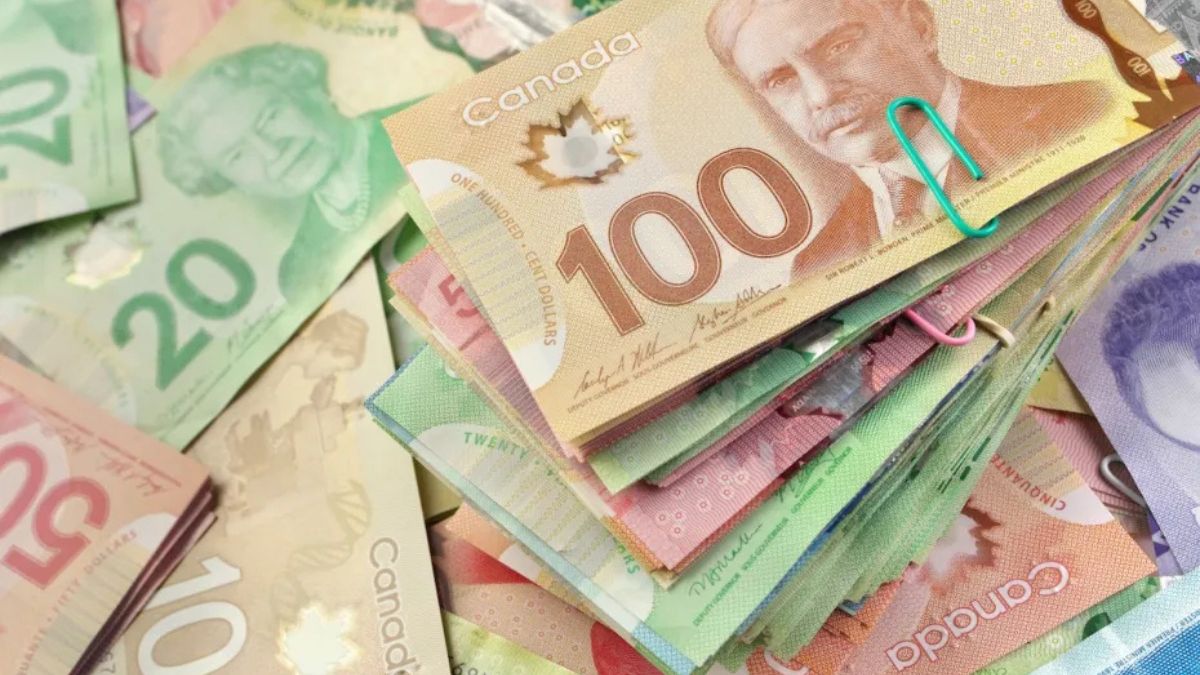
The Canada Revenue Agency (CRA) has confirmed a maximum annual GST/HST credit of $680 for eligible married or common-law couples in the 2025–2026 benefit year. This initiative, aimed at helping low- and modest-income Canadians, is designed to ease the burden of sales taxes on essential purchases such as food, utility bills, and transit costs.
Issued every quarter and entirely tax-free, this payment is calculated from the 2024 tax return and sent automatically to eligible residents. With inflation and daily living costs still high, the GST/HST credit remains a critical source of financial relief for millions of households across Canada.
What Is the GST/HST Credit?

The Goods and Services Tax / Harmonized Sales Tax (GST/HST) credit is a quarterly non-taxable benefit that reimburses qualifying Canadians for the sales taxes they pay. Unlike other programs that require separate applications, this credit is issued automatically based on your income tax return.
Latest Stories
 Canada Confirms 2026 Benefit Hike For Millions – More Money for Seniors, Families, and Low-Income Workers
For the 2025–2026 benefit year (July 2025 to June 2026), CRA has raised the maximum credit slightly in line with cost-of-living adjustments. Here are the updated figures:
- Married or common-law couples (no children): $680/year
- Single individuals: $519/year
- Child supplement: $161/year per child under 19
These payments are spread across four installments throughout the year.
Who Gets the GST/HST Credit in 2025?
To receive the 2025 GST/HST credit, applicants must meet the following eligibility requirements:

- Be at least 19 years old, or
- Be a parent living with a child, or
- Have a spouse or common-law partner
- File a 2024 income tax return, even with zero income
- Be a Canadian resident for tax purposes during the previous month and at the start of the payment month
Newcomers, protected persons, and certain refugee claimants may also qualify if they’ve established tax residency. However, most temporary foreign workers and international students do not qualify unless they meet specific spousal or parental criteria.
When Are GST/HST Credit Payments Made in 2025?
The CRA issues GST/HST credit payments quarterly on the fifth day of January, April, July, and October. For 2025, the key dates are:
- January 3, 2025
- April 4, 2025
- July 4, 2025
- October 3, 2025
The July 2025 payment will be the first full payment reflecting the 2025–2026 benefit year, calculated based on your 2024 tax return. Payments are issued via direct deposit if linked to CRA My Account or by mailed cheque for others.
Latest Stories
 Canada Confirms New Minimum Wages for 2026 – New Province Rates & Eligibility Revealed
CRA 2025 GST/HST Credit Payment Table
The CRA calculates GST/HST credit amounts based on your family type and adjusted family net income (AFNI). Here’s a breakdown:
| Family Type | Full Credit AFNI Range | Phase-Out Starts At | Max Annual Credit |
|---|---|---|---|
| Single (no children) | $0 – $41,000 | $41,001 | $519 |
| Married/Common-law (no children) | $0 – $43,000 | $43,001 | $680 |
| Single parent (1 child) | $0 – $43,000 | $43,001 | $680 |
| Couple with 2 children | $0 – $47,000 | $47,001 | $1,002 |
| Single parent (2 children) | $0 – $47,000 | $47,001 | $1,002 |
A 5% phase-out applies to income above these thresholds. For example, a couple earning $45,000 will receive a slightly reduced credit, while families earning above $55,000 may receive no credit at all.
How CRA Calculates the GST/HST Credit in 2025
The CRA starts with base credit amounts:

- $519 for the primary adult
- $519 for a spouse or common-law partner (or supplement for singles)
- $161 per child under 19
Then, it subtracts 5% of the income exceeding the threshold. For instance:
- Couple with two kids and zero income: $519 + $519 + $161 x 2 = $1,360/year
- If AFNI is $50,000: credit may reduce to about $1,200/year
This ensures that support gradually reduces as income increases, rather than cutting off abruptly.
How to Ensure You Receive the CRA Credit
There’s no need to apply for the GST/HST credit. To receive it:
Latest Stories
 Singapore Confirms $1,200 Support Payment for 2026 – Eligibility Rules, Cash vs Vouchers and Full Timeline
- File your 2024 tax return by April 30, 2025
- Update marital status and child dependents
- Register for direct deposit via CRA My Account
- Use Form RC458 to update custody or family changes
- Check your credit status and payments online anytime
If you meet the criteria and still don’t receive the payment, contact CRA for a reassessment or provide missing documentation like residency proof.
Misconceptions and CRA Warnings
There are no lump-sum $680 payments. The credit is quarterly, and any claims of instant cash should be treated with suspicion. The CRA:
- Never requests urgent payments or upfront fees
- Does not send links via text or social media
- Issues all credits tax-free, and they don’t count as income
Scammers may try to exploit awareness around CRA benefits. Always check official CRA portals.
Latest Stories
 Canada Scraps Mandatory Retirement at 65 – What the New Two-Option System Means for Seniors
Provincial and Territorial Top-Ups
Some provinces add their own supplements to the federal credit. For example:
- Ontario: Up to $300 more per year
- British Columbia and Alberta: Varying amounts
- Quebec: Operates a separate QST credit, not tied to the CRA
The CRA handles provincial portions for most regions, except Quebec, which requires a separate application via Revenu Québec.
Impact on Canadian Households in 2025
The GST/HST credit plays a key role in offsetting sales tax, especially as food, fuel, and utility costs remain high. Families with more children benefit the most — some receiving $1,000+ per year in support.
Latest Stories
 Canada’s Open Work Permit Gets Tougher in 2026 – Full Breakdown of New Rules, TEER Limits, and Family Impact
Seniors, people with disabilities, and single parents also gain relief. The credit acts as an anchor in Canada’s social safety net, providing billions in quarterly assistance to struggling households.
Common Scenarios for 2025 CRA GST/HST Credit
- Single adult with income below $41,000: Full $519
- Couple with two children at $0 income: Full $1,360
- Single parent with one child at $46,000 income: Reduced to ~$600
- Couple earning $56,000+: Likely ineligible
Understanding where your household fits in helps with budget planning ahead of each quarter.