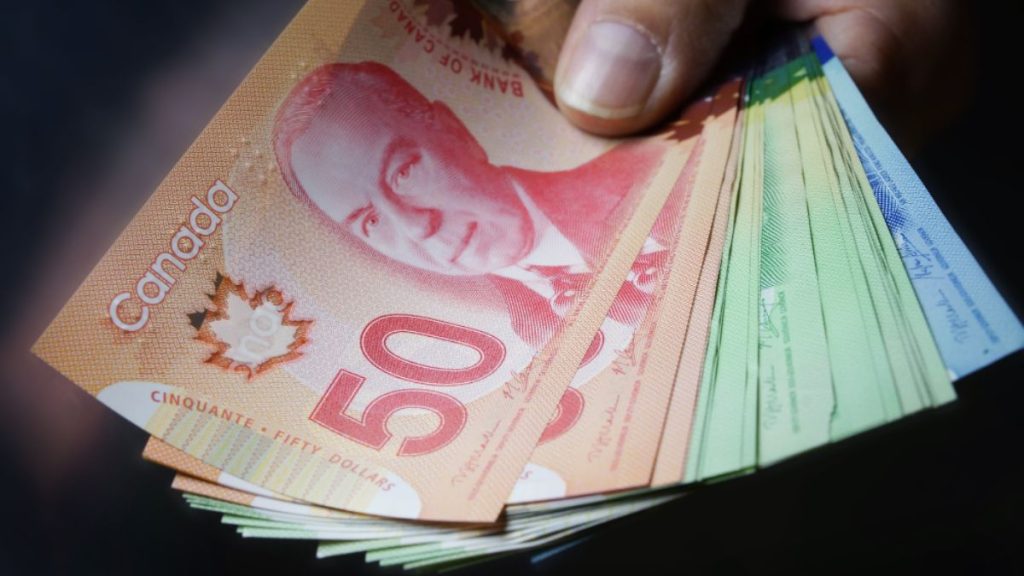

The Canada hourly wage increase 2026 marks one of the most impactful economic changes in recent years. Set to take effect in various provinces starting January 1, 2026, this update reflects a joint effort by federal and provincial governments to support Canadian workers amid rising costs of living.
The federal minimum wage will rise from $17.10 to $17.50 per hour, a 2.3% increase. Several provinces, however, are going beyond that threshold, implementing region-specific wage hikes to counter inflation and attract skilled labour.
This move is part of Canada’s broader goals of economic recovery, worker retention, and income fairness, especially following the financial strains of the pandemic and inflationary spikes.
Latest Stories

 Canada Confirms 2026 Benefit Hike For Millions – More Money for Seniors, Families, and Low-Income Workers
Understanding Canada’s 2026 Wage Adjustment
The 2026 wage changes highlight the government’s long-term commitment to income equality and labour fairness. While the federal wage sets a benchmark, provinces and territories are empowered to adopt higher local minimum wages that align with their economic conditions, labour markets, and inflation pressures.
This ensures a national baseline while respecting regional wage realities, promoting both uniformity and flexibility.
New Minimum Wage Rates by Province and Territory
The 2026 wage schedule includes changes in nearly every province and territory. Here’s a detailed comparison of 2024 vs. 2025 rates, and when each new rate will take effect:

| Province/Territory | 2024 Wage (CAD/hr) | 2025 Wage (CAD/hr) | Effective Date |
|---|---|---|---|
| Alberta | $15.00 | $16.00 | April 1, 2025 |
| British Columbia | $17.40 | $17.85 | June 1, 2025 |
| Manitoba | $15.30 | $15.80 | October 1, 2025 |
| New Brunswick | $15.30 | $15.70 | April 1, 2025 |
| Newfoundland & Labrador | $15.60 | $16.10 | April 1, 2025 |
| Nova Scotia | $15.20 | $15.60 | April 1, 2025 |
| Ontario | $16.55 | $17.20 | October 1, 2025 |
| Prince Edward Island | $15.40 | $15.90 | April 1, 2025 |
| Quebec | $15.75 | $16.25 | May 1, 2025 |
| Saskatchewan | $15.00 | $15.50 | October 1, 2025 |
| Northwest Territories | $16.05 | $16.75 | April 1, 2025 |
| Nunavut | $16.00 | $17.00 | May 1, 2025 |
| Yukon | $16.77 | $17.10 | April 1, 2025 |
| Federal | $17.10 | $17.50 | April 1, 2025 |
These figures reveal a nationwide push for living wages that better reflect today’s economic landscape.
Why Canada Increased the Minimum Wage in 2026
The wage hike isn’t random—it’s a calculated response to multiple overlapping issues. The key reasons behind the 2026 increase include:
Addressing the Rising Cost of Living
From groceries to fuel, rent, and transportation, daily expenses have risen across Canada. A higher wage helps workers keep up.

Supporting Post-Pandemic Recovery
After years of economic imbalance, the wage increase stabilizes sectors that previously faced stagnant pay and labour shortages.
Attracting and Retaining Workers
Industries like healthcare, retail, and hospitality are battling labour gaps. Higher wages help retain talent and attract new workers.
Promoting Income Fairness
The wage rise aims to reduce disparities between provinces and within industries, fostering greater income equality.
Latest Stories
 Singapore Confirms $1,200 Support Payment for 2026 – Eligibility Rules, Cash vs Vouchers and Full Timeline
Who Is Eligible for the New Wage Rates?
Most Canadian workers are covered by the new rates, though there are specific exceptions based on job type or provincial rules.
Covered by Minimum Wage Increases
- Hourly wage workers under federal or provincial jurisdiction
- Retail and service industry employees
- Healthcare and support staff
- Seasonal, part-time, and contract workers
Exceptions and Special Cases
- Tipped employees (e.g., servers, bartenders) may have separate base wages in Ontario and Quebec.
- Students and trainees may earn lower wages in some provinces.
- Commission-based workers must still average at least the minimum wage over a pay period.
- Domestic and farm workers may have provincial-specific exemptions.
Employees and employers should check with their provincial labour board for any unique conditions that apply.
How Employers Are Expected to Respond
While this increase benefits workers, Canadian businesses must adjust their practices to remain compliant and financially stable.
Latest Stories
 Canada Scraps Mandatory Retirement at 65 – What the New Two-Option System Means for Seniors
Key Actions for Employers
- Review compensation plans to ensure wages meet new minimums.
- Update employee contracts and pay structures.
- Communicate changes clearly to staff.
- Budget for higher payroll expenses well before the effective dates.
Some small businesses may struggle with the increased cost, but federal and provincial relief programs, including payroll tax credits and business grants, are available to help mitigate the burden.
Long-Term Impact on Canada’s Economy and Society
The 2026 wage hike is expected to create positive ripple effects beyond just higher paycheques.
Boosts Consumer Spending
With more disposable income, workers are likely to spend more locally, fueling small businesses and service sectors.
Latest Stories
 Canada’s Open Work Permit Gets Tougher in 2026 – Full Breakdown of New Rules, TEER Limits, and Family Impact
Narrows the Income Gap
Higher minimum wages reduce inequality, especially for vulnerable workers in entry-level or support roles.
Improves Worker Morale and Retention
Better pay can lead to higher job satisfaction, reduced turnover, and greater productivity in the workplace.
Helps Manage Inflation Responsibly
While there are concerns that wage hikes might worsen inflation, many economists argue that balanced increases tied to productivity and economic capacity are sustainable and essential for inclusive growth.
Latest Stories
 $2,000 CRA Relief Payment Locked In for January 10 – Full Eligibility, Income Limits and Deposit Timeline Revealed
What Should Workers Do to Prepare?
If you’re a worker in Canada, now is the time to:
- Understand your province’s minimum wage update
- Check your employment contract and hourly rate
- If needed, discuss adjustments with your employer
- Monitor provincial websites for updated wage laws and announcements
Frequently Asked Questions (FAQs)
1. What is Canada’s new federal minimum wage in 2026?
The federal minimum wage in Canada is set to increase from $17.10 to $17.50 per hour, effective April 1, 2025.
2. Which province will have the highest minimum wage in 2026?
As per current updates, British Columbia and Ontario will lead with wages near or above $17.85 and $17.20 respectively.
Latest Stories
 $680 CRA Credit Confirmed for 2026: See Eligibility, Income Limits, and Full Payment Table
3. Are students or tipped employees eligible for the full minimum wage?
Not always. Tipped workers and students under 18 may have separate wage brackets depending on provincial rules.
4. Do I need to apply to receive the new minimum wage?
No application is required. If your job falls under provincial or federal labour laws, your employer is legally obligated to adjust your pay.
5. Will the wage increase impact businesses negatively?
Some small businesses may face higher payroll costs, but government support programs and increased consumer spending may balance the impact over time.