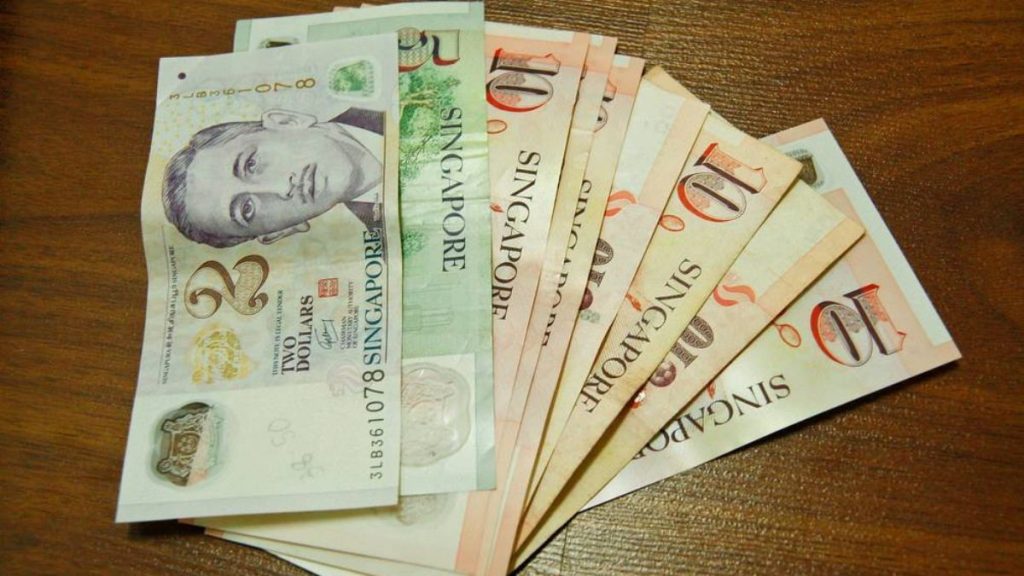
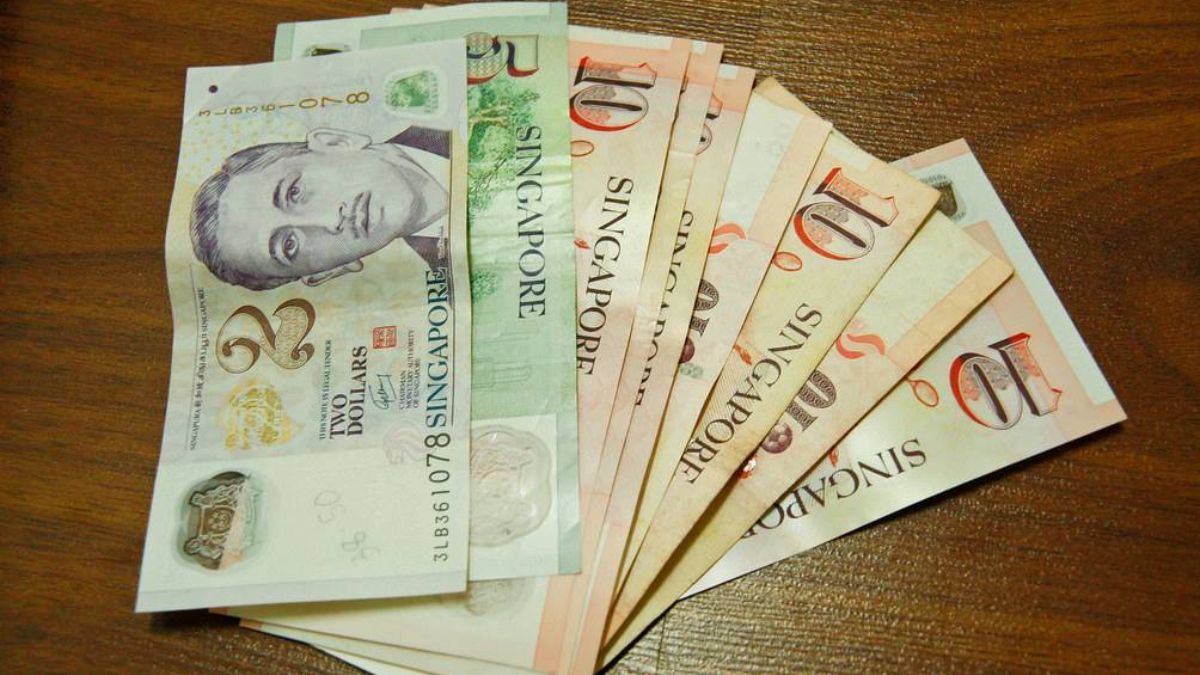
The Singapore $1,200 Support Payment 2026 forms a key part of the enhanced Assurance Package, delivering direct financial relief to eligible Singaporean households grappling with elevated living costs in groceries, utilities, and transport.
This official announcement appears at the very beginning of the article to clearly establish the policy’s scope, intent, and authority. The initiative has been rolled out as an essentials-focused support payout, combining cash disbursements and digital vouchers to ensure targeted assistance reaches households most affected by ongoing cost pressures.
Announced by the Ministry of Finance, the scheme begins in January 2026, with eligibility determined by citizenship, age, assessable income, and property ownership. The structure reflects Singapore’s long-standing approach of targeted, data-driven social support rather than broad, untargeted subsidies.
Latest Stories

 Canada Confirms 2026 Benefit Hike For Millions – More Money for Seniors, Families, and Low-Income Workers
Why the $1,200 Support Payment Was Introduced
Despite steady wage growth in sectors such as construction, logistics, and services, inflation in essential goods has continued to strain household budgets. Food prices, electricity tariffs, and public transport costs remain elevated, disproportionately affecting lower- and middle-income families.
The 2026 support payment is designed to cushion these pressures while preserving household savings. Rather than encouraging discretionary spending, the payout is focused on essentials, reinforcing financial resilience in a high-cost urban environment.
How the 2026 Support Payment Fits Into Singapore’s Assurance Package
The $1,200 payment builds on earlier phases of the Assurance Package delivered between 2022 and 2025. Those phases helped households adjust to rising GST and post-pandemic price volatility.

The 2026 payout marks the final major tranche of broad cost-of-living support under this framework, before the government transitions to longer-term schemes such as the GST Voucher and Lifelong Learning Endowment enhancements.
Structure of the Singapore $1,200 Support Payment
The support payment is split evenly into two components to balance flexibility with responsible spending:
- $600 cash payout for unrestricted household needs
- $600 in CDC vouchers earmarked for essential spending at local businesses
This dual-structure ensures households can manage unavoidable costs like transport and utilities while also supporting neighbourhood merchants and hawkers.
Latest Stories
 Canada Confirms New Minimum Wages for 2026 – New Province Rates & Eligibility Revealed
Why Cash and Vouchers Are Combined
Cash provides immediate flexibility, allowing families to cover bills, transport fares, or medical expenses. CDC vouchers, by contrast, must be spent locally, ensuring the funds circulate within heartland economies.
This approach prevents misuse while strengthening community-based businesses, a cornerstone of Singapore’s economic model.
Who Qualifies for the Singapore $1,200 Support Payment
Eligibility is determined automatically using government records, primarily from the Inland Revenue Authority of Singapore.

To qualify, individuals must:
- Be Singapore citizens
- Be 21 years or older in 2026
- Have assessable income of $39,000 or below (YA 2024)
- Own no more than one residential property
No separate application is required for most recipients.
Understanding Assessable Income for Eligibility
Assessable income refers to gross annual earnings after allowable reliefs such as CPF contributions. The government uses Year of Assessment 2024, which reflects income earned in 2023, ensuring decisions are based on verified data.
Latest Stories
 Canada Scraps Mandatory Retirement at 65 – What the New Two-Option System Means for Seniors
This method reduces administrative burden and speeds up payouts.
Property Ownership Rules Explained
Property ownership plays a key role in eligibility. Individuals owning more than one residential property are excluded, reflecting higher asset capacity.
For shared ownership scenarios, payouts may be prorated based on tenancy or ownership arrangements, ensuring fairness across households.
Latest Stories
 Canada’s Open Work Permit Gets Tougher in 2026 – Full Breakdown of New Rules, TEER Limits, and Family Impact
Special Provisions for Seniors and Families
Seniors aged 60 and above and families with children receive additional layered support. These supplements are issued separately but complement the base $1,200 payment.
Verification and appeals, if required, can be handled via GoGov.SG portals or community centres.
Income Tiers and Support Amounts
The payout scales progressively based on income, ensuring greater assistance flows to lower-income households.
Latest Stories
 $2,000 CRA Relief Payment Locked In for January 10 – Full Eligibility, Income Limits and Deposit Timeline Revealed
- Lower-income groups receive the full $1,200
- Middle-income groups receive partial cash with full vouchers
- Support tapers near the $39,000 income ceiling
Those earning above the threshold are not eligible.
Breakdown of the $600 Cash Component
The cash portion is credited directly to recipients, primarily via PayNow-linked NRIC accounts. This ensures fast, secure delivery.
For those not linked to PayNow, cheques are issued, typically arriving within ten days of the scheduled payout date.
Latest Stories
 $680 CRA Credit Confirmed for 2026: See Eligibility, Income Limits, and Full Payment Table
When the Cash Payment Will Be Made
Cash payouts begin in early December 2025, ahead of the 2026 reference year. This timing allows households to plan for year-end and early-year expenses, including utilities, transport, and education costs.
Recipients are advised to ensure bank details are updated by late November 2025.
Breakdown of the $600 CDC Voucher Component
The CDC vouchers are issued digitally in two tranches:
Latest Stories
 New $10,000 Fine for Eating While Driving in Canada – Are You Breaking the Law Without Knowing?
- $300 in January 2026
- $300 later in the year
Vouchers are redeemable at over 20,000 heartland merchants, including supermarkets, hawker centres, wet markets, and neighbourhood shops.
How to Claim and Use CDC Vouchers
Vouchers are claimed through GoGov.SG/CDCvouchers using Singpass. Households can share voucher links among family members, making it easier for multi-generation families to manage spending.
All vouchers must be used by December 31, 2026, after which unclaimed balances expire.
Latest Stories
 CRA Announces $2,200 One‑Time Bonus for Eligible Canadian Seniors – Check Who Gets It, Payment Dates, and Full Eligibility Explained
Payment Schedule at a Glance
The rollout follows a clear timeline:
- December 2025: Cash payouts begin
- January 2026: First $300 CDC voucher tranche
- Mid-2026: Second $300 CDC voucher tranche
Community digital ambassadors will assist seniors and less tech-savvy residents during the rollout.
Integration With Other Government Support Schemes
The $1,200 payment is not standalone. It stacks with other schemes such as:
Latest Stories
 CRA Confirms $628 Grocery Relief Payments – Full Schedule, Amounts and Eligibility Revealed
- SG60 vouchers
- U-Save utility rebates
- Edusave top-ups
- LifeSG credits
For some households, total combined support in 2026 can exceed $3,000 to $10,000, depending on profile.
Additional Support for Seniors
Seniors benefit from expanded assistance, including higher Home Caregiving Grants and healthcare rebates. These measures ensure that working and non-working seniors are supported amid rising medical and daily living costs.
The policy reflects Singapore’s ageing population strategy.

Support for Families With Children
Families receive additional education-related aid through Edusave and school-linked credits. These help offset tuition, enrichment programmes, and utilities, easing pressure on household budgets.
Low-Wage Workers and Disability Support
Low-wage workers and households with disabled members receive enhanced assistance through extended grants and targeted rebates, ensuring no vulnerable group is excluded from relief.
Economic Impact of the $1,200 Payment
Economists estimate that the payout injects billions into the domestic economy, with strong multiplier effects in heartland spending.
Latest Stories
 CRA Confirms $1,120 Carbon Rebate Payment for Canadians – Huge Winter Relief Coming in January
Local SMEs, hawkers, and service providers are expected to see increased demand, supporting employment and community resilience.
How Households Are Expected to Use the Support
Budgeting guides suggest households typically allocate:
- 40% to groceries
- 30% to utilities
- 20% to transport
- 10% to savings
The structure encourages responsible spending rather than short-term consumption.
Latest Stories
 Millions of Seniors Could Get Up to $3,700 in 2025—Here’s How the New Tax Bonus Really Works
Housing and Regional Considerations
HDB residents, who make up the majority of the population, benefit most from the CDC voucher system. Uptake is highest in large heartland estates where local commerce remains central to daily life.
Private property owners see phased reductions based on annual value.
Safeguards, Oversight, and Fraud Prevention
The government has implemented strong digital safeguards, with audits and verification systems ensuring payout accuracy. Public education campaigns also warn against scams during the claiming period.

Long-Term Outlook Beyond 2026
The Singapore Government has signalled that while 2026 marks the end of large-scale Assurance Package payouts, targeted support will continue through permanent schemes tied to income and cost trends. This ensures sustainability without compromising fiscal discipline.
(5) Frequently Asked Questions (FAQs)
Q1: Do I need to apply for the Singapore $1,200 Support Payment?
No. Most eligible citizens receive it automatically based on government records.
Q2: When will the cash portion be paid?
Cash payouts begin in December 2025.
Latest Stories
 CRA Confirms $533 GST/HST Refund for January 2026- Are You Eligible for the First Payment of the Year?
Q3: How do CDC vouchers work?
They are digital vouchers redeemable at heartland merchants until December 31, 2026.
Q4: What is the income limit for eligibility?
Assessable income must not exceed $39,000 (YA 2024).
Q5: Can I receive this payment alongside other benefits?
Yes. It stacks with U-Save, Edusave, SG60 vouchers, and other schemes.